Indoor Signage
in Dubai
Al Tayyeb is one of the leading Indoor signage companies in Dubai.

Why Businesses Choose Al Tayyeb for Indoor Signage Dubai
Effective indoor signage should work as part of the wider interior environment. It needs to be easy to understand, visually consistent and suitable for how the space is used every day.
Al Tayyeb manages design, fabrication and installation through one team, helping maintain consistency from the initial concept to final installation.
- In-house design and production
- Materials selected for the intended application
- Experience across offices, retail, healthcare and hospitality
- Custom solutions for different interior environments
- Professional installation and project coordination
- Maintenance and after-sales support
Indoor Signage Dubai: Professional Signs for Modern Business Spaces
Indoor Signs are placed inside a building or other enclosed space that can be used to provide direction and information, to promote products or services, or to enhance the overall aesthetic of a space. We offer the best Indoor Signage in Dubai.
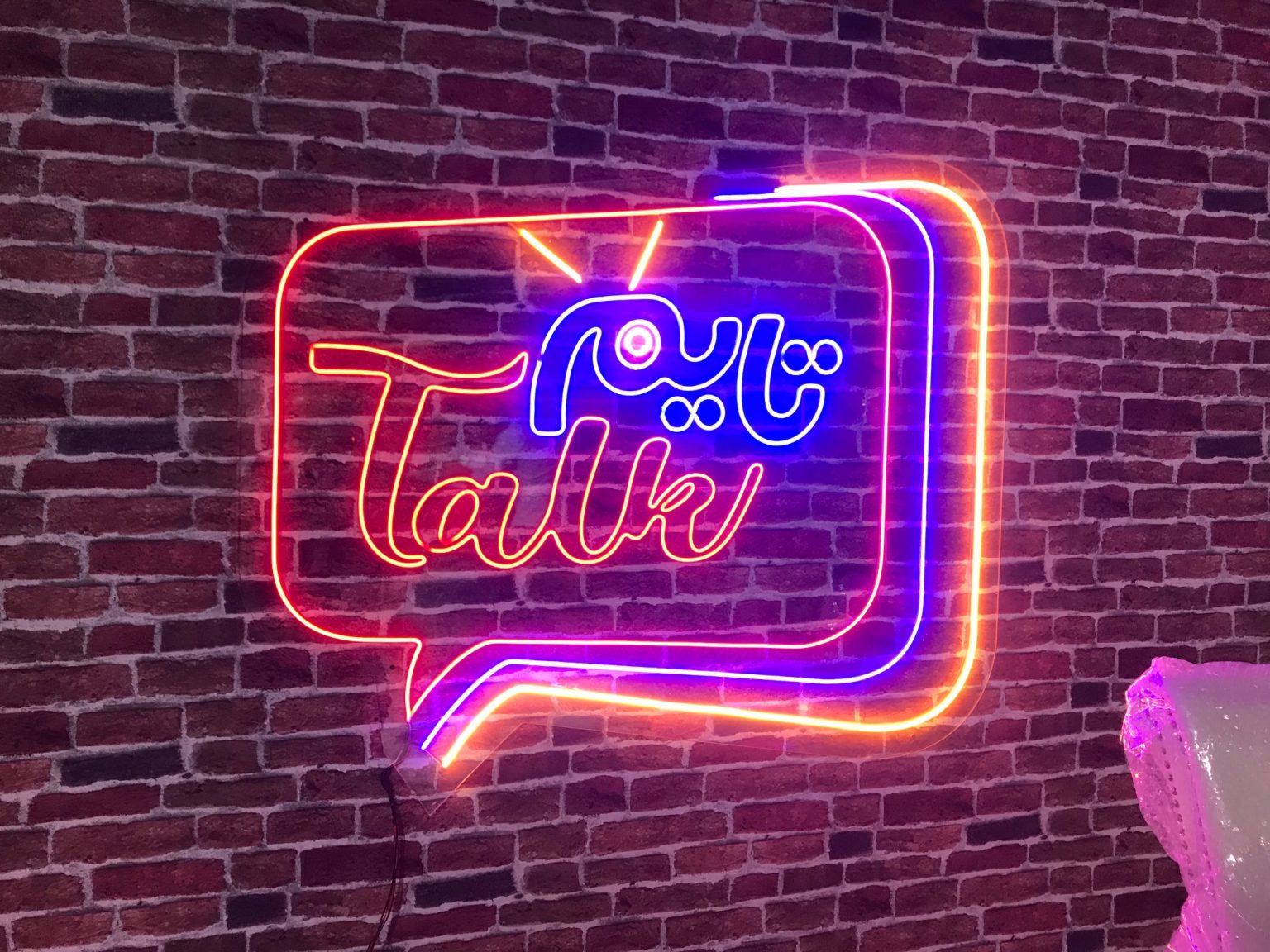
Indoor signs are used in a variety of settings, including but not limited to office buildings, retail stores, hospitals, schools, and other public spaces. They can be used to provide directional information, display branding or advertising, and convey important safety or regulatory information. LED neon flex has become a popular design element for interactive brand moments, feature walls, and hospitality focal points.
Key Benefits of Investing in Indoor Signage
A well-planned signage system improves both the appearance and functionality of an interior space.
- Easier Navigation: Clear directions help visitors find reception areas, departments, meeting rooms, facilities and other destinations without relying on staff for assistance.
- Stronger Brand Identity: Reception signs, branded walls, dimensional logos and other interior elements can reinforce the company’s visual identity throughout the property.
- Better Visitor Experience: Professional signage makes offices, retail environments, hotels and other spaces feel more organised and easier to navigate.
- Improved Safety and Accessibility: Safety, emergency, accessibility and regulatory signs provide important information while supporting a more inclusive environment.
Types of Indoor Signs
- Wayfinding signs, which help guide people through a building or facility.
- Directional signs, which indicate the location of specific rooms or areas.
- Informational signs, which provide information such as hours of operation or rules and regulations.
- Safety signs, which convey important information about emergency procedures or hazards.
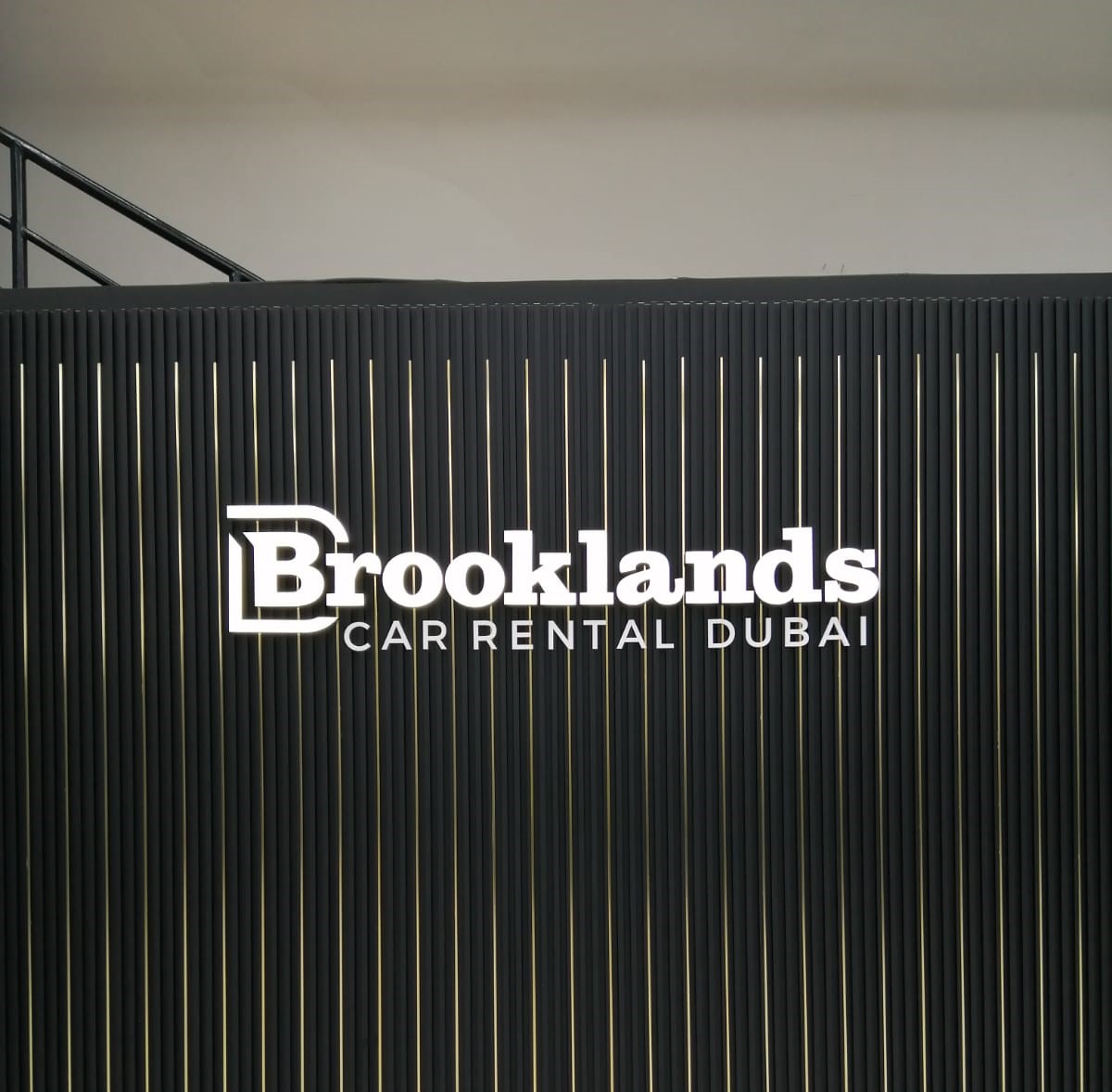
- Branding signs, which display a company’s logo or name.
- Regulatory signs, which provide information such as no smoking or handicap accessibility.
- Braille signs, which are designed for reading and writing used by those with visual impairments.
- Custom signs, which are made to meet specific needs or design requirements.
- Digital signs, which can display dynamic information and change on schedule.
Indoor Signage for Retail Stores
In retail environments, indoor signage does double duty as both navigation and marketing. The right mix of shelf signs, promotional displays, and directional cues can influence buying decisions while helping customers find what they need without frustration.
- Shelf and aisle signage to guide product discovery
- Promotional displays to highlight offers and new arrivals
- Fitting room and checkout signage to reduce customer wait confusion
- Branded window and entrance signage to draw foot traffic
- Digital displays for rotating seasonal campaigns
Indoor Signage for Offices and Corporate Spaces
Corporate signage helps organise the workplace while creating a professional experience for employees, clients and visitors.
Applications include:
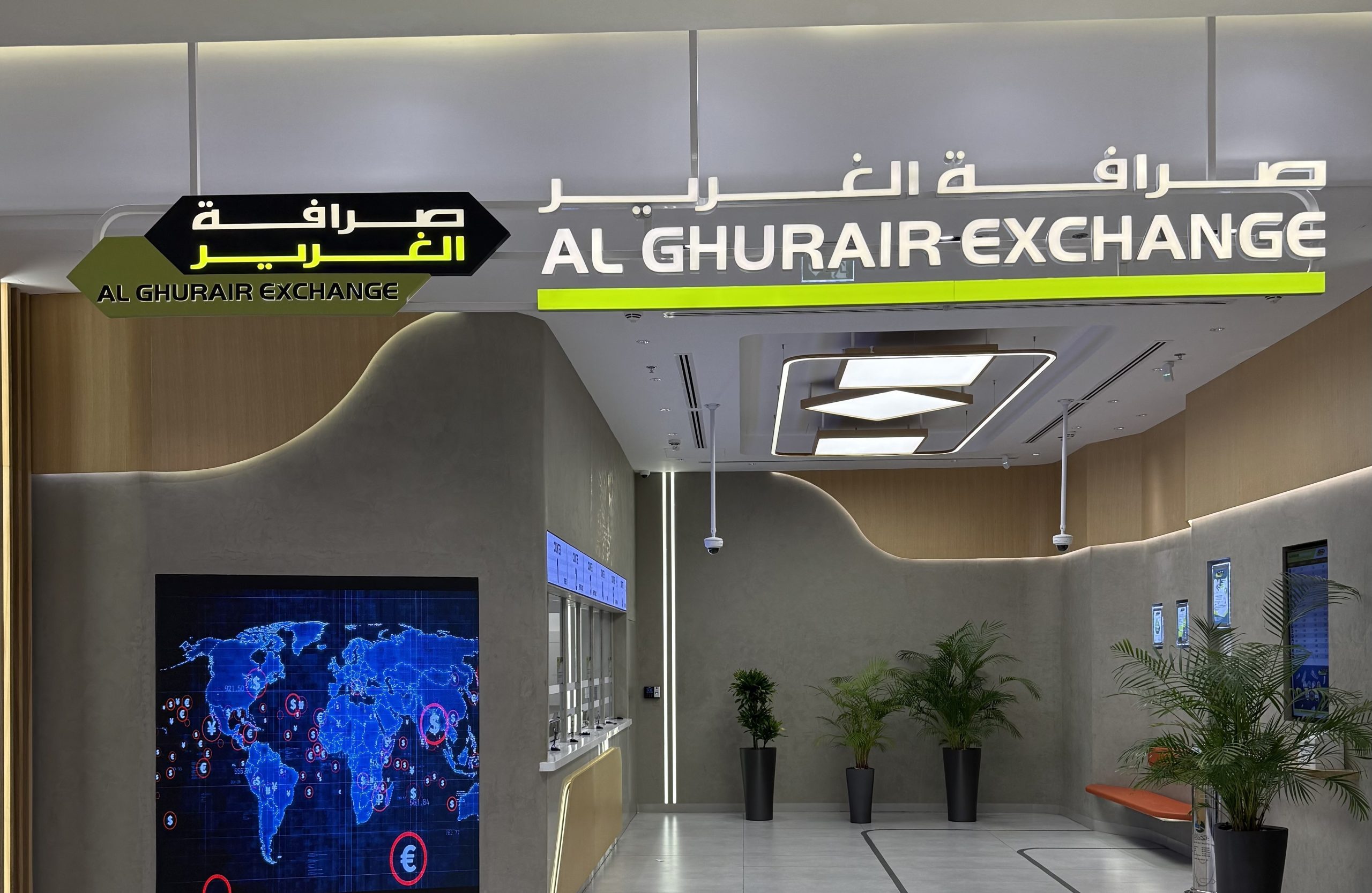
- Reception signage
- Office and department signs
- Floor directories
- Meeting room identification
- Room nameplates
- Branded wall graphics
- Internal wayfinding
- Safety and evacuation signage
For offices in Business Bay, DIFC, Downtown Dubai and Dubai Internet City, signage can be designed to complement contemporary office interiors and corporate branding.
Indoor Signage for Healthcare Facilities
Healthcare environments require signage that is especially clear and easy to understand. Visitors may be unfamiliar with the building, so departments, wards, facilities and emergency routes should be easy to identify.
Solutions can include:
- Department and ward identification
- High-contrast directional signs
- Floor directories
- Braille and tactile signage
- Emergency and safety signs
- Restroom and facility identification
- Multilingual information where required
Indoor Signage for Hotels and Restaurants
Hospitality signage needs to balance practical navigation with the property’s interior design. Signs should help guests find their way without disrupting the atmosphere of the space.
Applications include:
- Reception and lobby signage
- Room and floor identification
- Restaurant and menu displays
- Restroom and facility directions
- Event-space signage
- Feature walls and branded displays
- LED neon accents
For hotels and restaurants across Dubai Marina, Jumeirah, Downtown Dubai and other hospitality destinations, signage can be designed to complement the property’s existing finishes and branding.
The Rise of LED Neon Signage Indoors
LED neon flex is increasingly used for indoor branding and decorative features in Dubai’s retail, restaurant and hospitality spaces. Its flexible construction allows logos, words and custom shapes to be created for walls, counters, bars and photo areas.
Key advantages include:
- Flexible shapes and lettering
- Bright, consistent illumination
- Lower heat output than traditional glass neon
- Suitable for custom logos and brand messages
- Popular for feature walls and photo areas
- Relatively low maintenance
What are indoor signs made of?
- Acrylic
- Aluminum
- PVC
- Foam board
- Glass
- Wood
- Fabric
- Vinyl
The choice of material will depend on the desired look, durability, and cost of the sign. Depending on the requirement, Al Tayyeb Neon recommends the type, details and specifications of the sign that best suits your business needs.
Choosing the Right Material for Your Space
Different areas require different material specifications. A reception feature wall may prioritise premium finishes, while a temporary promotional display may require a lightweight and economical material.
- Acrylic and PVC: Suitable for clean, modern signage
- Aluminium: Durable and suitable for high-visibility applications
- Glass: Premium appearance for selected corporate and hospitality environments
- Foam board: Suitable for temporary displays
- Fabric and vinyl: Flexible options for graphics and promotional applications
- Wood: Adds warmth to hospitality and boutique retail interiors
Digital vs Traditional Indoor Signage
Businesses can combine static signage with digital displays depending on how frequently information needs to change.
Traditional Signage
- Suitable for permanent information
- Does not require electricity
- Generally requires minimal maintenance
- Works well for directories, identification and branding
Digital Signage
- Content can be updated without replacing the physical sign
- Suitable for promotions and changing information
- Supports videos, graphics and announcements
- Useful for menus, reception displays and tenant information
For larger properties, a hybrid approach can provide permanent navigation alongside flexible digital communication.
How to Choose an Indoor Signage Provider in Dubai
When comparing indoor signage providers, consider more than the initial price. The right partner should understand the space, materials, branding requirements and installation conditions.
Look for:
- Experience with similar projects
- In-house design and fabrication capability
- Knowledge of different signage materials
- Professional installation
- Clear project timelines
- Material and workmanship warranties
- Maintenance and repair support
Our Indoor Signage Installation Process
Al Tayyeb follows a structured process to minimise disruption, particularly when installing signage in occupied offices, retail stores, healthcare facilities and hospitality properties.
- Site assessment: Review the layout, lighting, access and installation conditions.
- Design: Develop signage concepts and layouts for approval.
- Material selection: Choose materials according to the application.
- Fabrication: Manufacture the approved signage.
- Installation: Install and position each sign accurately.
- Final inspection: Check alignment, finish and overall presentation.
- Handover: Complete the project and provide ongoing support where required.
Maintaining Your Indoor Signage
Indoor signs generally face less environmental exposure than exterior signage, but regular maintenance helps preserve their appearance and performance.
Recommended maintenance includes:
- Cleaning surfaces regularly
- Removing dust and fingerprints
- Checking illuminated components
- Inspecting mounting hardware
- Replacing damaged or outdated information
- Scheduling maintenance for larger signage systems
For offices, malls and commercial properties with multiple signs, a planned maintenance arrangement can make ongoing upkeep easier.
Why Al Tayyeb Is a Trusted Name in Indoor Signage in Dubai
Al Tayyeb Neon provides indoor signage solutions for businesses across Dubai, from individual reception signs and retail displays to larger office, healthcare, hospitality and commercial projects.
The team manages the process from design and fabrication through installation and ongoing support.
- End-to-end signage services
- In-house design and fabrication
- Experience across multiple industries
- Custom solutions for different interior spaces
- Professional installation
- Maintenance and after-sales support
- One coordinated team throughout the project
Whether you need reception signage for a DIFC office, shop signage for a Dubai retail store, wayfinding for a commercial development, or LED neon branding for a restaurant or hotel, Al Tayyeb can develop an indoor signage solution around your space and brand.
Ready to upgrade your interiors? Get your free signage consultation today.
Frequently Asked Questions
About Indoor Signage
1. What is indoor signage Dubai used for?
Indoor signage helps businesses provide directions, display important information, promote their brand, identify rooms and departments, and improve navigation within a building.
2. What types of indoor signs are available?
Common options include wayfinding signs, directional signs, reception signs, office signs, safety signs, regulatory signs, Braille signs, branding signs, custom signs, and digital displays.
3. Where can indoor signage be used?
Indoor signs are suitable for offices, retail stores, hospitals, clinics, hotels, restaurants, schools, shopping centres, corporate buildings, and other commercial or public spaces.
4. What materials are commonly used for interior signs?
Acrylic, aluminium, PVC, foam board, glass, wood, fabric, and vinyl are commonly used. The best material depends on the desired appearance, durability, location, and budget.
5. Can indoor signs be customised to match my brand?
Yes. Indoor signs can be customised using your brand colours, logo, typography, finishes, materials, shapes, and lighting to create a consistent visual identity throughout your premises.
6. Is LED neon suitable for indoor signage?
Yes. LED neon flex is popular for cafes, restaurants, retail stores, offices, and hospitality spaces because it can create custom lettering, logos, shapes, and decorative displays with relatively low heat output.
7. Should I choose digital or traditional indoor signage?
Traditional signs are ideal for permanent information, room identification, and wayfinding, while digital displays are better for content that changes regularly, such as menus, promotions, announcements, and directories.
8. How do I choose the right indoor signage provider?
Look for experience across similar projects, in-house design and fabrication capabilities, quality materials, professional installation, clear warranties, and reliable after-sales support.
9. How long does indoor signage take to install?
Installation time depends on the number of signs, design complexity, materials, site conditions, and whether electrical or digital components are involved. A project schedule can be confirmed after assessing the requirements.
10. Does Al Tayyeb provide indoor signage installation and maintenance?
Yes. Al Tayyeb can manage the process from site assessment and design through fabrication, installation, final inspection, and ongoing maintenance or repairs.
Join Our Newsletter
Several studies and surveys have proven the fact that signage has now become a vital solution to today’s marketing problems